
Microplastics do not belong in personal care products
Over the past year, awareness of microplastics has increased significantly, especially the call to stop using them. And naturally, it makes little sense to add microplastics to personal care products. Yet unfortunately, microplastics are still found in 9 out of 10 personal care items. That’s a lot. Of course, Petit&Jolie products contain no microplastics whatsoever.
We still want to highlight this issue, because microplastics are unfortunately still present in many other products.
What are microplastics?
Microplastics are tiny plastic particles with a diameter of less than 5 millimetres. These small particles are added to personal care products for various reasons, including:
Exfoliation: In scrubs and toothpaste, microplastics such as polyethylene (PE) beads are used to remove dead skin cells and improve cleaning.
Supporting texture and consistency: In creams, lotions and make-up, they help create a smoother or creamier feel.
Acting as carriers for active ingredients: They ensure ingredients are distributed evenly across the skin.
Enhancing shine and coverage: For example in lipsticks or foundations.
Improving stability and shelf life: By preventing ingredients from separating or breaking down.
These are known as primary microplastics. In addition, there are secondary microplastics, which are formed through the repeated use of plastic bottles or packaging, causing tiny particles to wear off.
Why is the use of microplastics concerning?
Research shows that increasing amounts of microplastics end up in the environment, partly because wastewater treatment plants are unable to filter them out. Microplastics do not break down easily and therefore persist in the environment. They find their way into oceans, rivers, the air, and even our drinking water and food.
Because they are so small, they are easily ingested by animals, which harms ecosystems and the food chain.
There is also growing concern about their potential impact on human health. Alarmingly, microplastics have even been found in the placenta.
What can you do to avoid microplastics?
The simplest step: avoid personal care products that contain microplastics.
But how do you know whether a product contains them?
The easiest way is to download the Beat the Microbead app, co-founded by the Plastic Soup Foundation. You can scan the packaging to see whether your favourite personal care product contains microplastics.
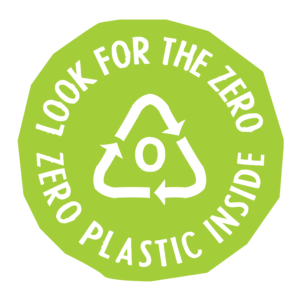
Petit&Jolie has also received the ‘Zero Plastic Inside’ logo from the Plastic Soup Foundation, confirming that their checks found no microplastics in our products.
If you have any questions, feel free to email us.